


The American Story of Corn
Episode 2:
Walter Goldstein –
Mandaamin
Institute
A Partnership Between People and Plants
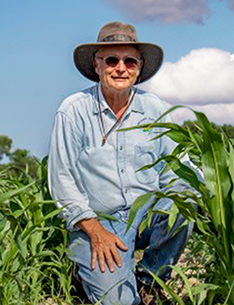
Corn breeder and researcher Walter Goldstein traces the long arc of corn’s evolution, from its Indigenous origins to modern breeding challenges. He explores corn’s deep history on the American continent, a story of the living relationship between people and plants. Walter describes his work at the Mandaamin Institute, where he breeds corn for organic farming with desirable qualities: high nutritional value, nitrogen-fixing capability through a relationship with bacteria, and resistance to GMO pollination. These excerpts are taken from Walter’s 2016 presentation at the American Dream Conference, hosted by the MaaViva Institute.
Part 1 Listen
Corn and Its Indigenous Origins | Length: 3:08
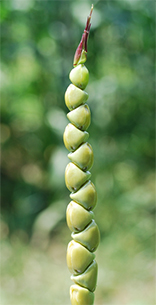
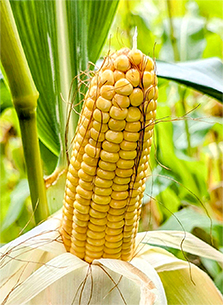
Wild corn didn’t have a cob. The corn cob was created by Indigenous people over thousands of years.
Part 2 Listen
Corn as an Ancestor | Length: 1:01
In many Native cultures across the Americas, corn is much more than food; it’s experienced as sacred, a living relative.
Part 3 Listen
The Anatomy of Corn | Length: 2:04
Corn’s unique reproductive system came about through Indigenous cultivation, observation and care.
Part 4 Listen
The Diversity of Corn | Length: 1:23
Corn comes in many colors, shapes, and sizes—each one formed by different cultures and environments.
Part 5 Listen
The Breeder’s Intuition | Length: 3:37
Good breeders rely on intuition and sensory experience to understand and guide the living, evolving nature of corn.
Part 6 Listen
Breeding for a Better Future | Length: 1:45
The aim is to improve nutritional value, enhance yield, strengthen resilience and reduce chemical inputs.
Part 7 Listen
Competing with Big Ag | Length: 1:02
Mandaamin’s goal is to produce higher quality alternatives to the seed from major agrochemical companies.
Part 8 Listen
Hybrids, Inbreds, and Open-Pollinated Varieties | Length: 2:04
Walter explains the difference between hybrids and open pollinateds and why most organic farmers want hybrids.
Part 9 Listen
Restoring Integrity to Corn | Length: 2:30
The focus is on breeding corn that remains true to its nature, emphasizing nutrition and cultural tastes and yields as well as conventional.
Part 10 Listen
Keeping Corn Clean: Cross Incompatibility | Length: 2:25
Cross incompatibility is a natural tool breeders use to stop unwanted pollen and protect the purity of their corn.
About Walter Goldstein
Walter Goldstein is a corn breeder and founder of the Mandaamin Institute, a nonprofit dedicated to developing nutrient-rich, nitrogen-efficient, GMO resistant corn for organic farmers. After earning his MSc and PhD in agronomy from Washington State University, Walter spent 25 years leading research at the Michael Fields Agricultural Institute before launching Mandaamin in 2011. more
s04e01 – Bill McDorman – Why We Should All Save Seeds
Why We Should All Save Seeds
Episode 1:
Bill McDorman –
SeedSave.org
A Call for Local Resilience
Lifelong seed-saving advocate Bill McDorman discusses the centralization of the seed industry, its impact on biodiversity, and the loss of traditional seed-saving practices. He explains the historical role of farmers in breeding resilient crops and how corporate patents have restricted seed-saving. Bill advocates for local seed-saving, regional food systems, and grassroots movements to reclaim agricultural sovereignty and biodiversity.
Part 1 Listen
Who Owns Our Seeds? | Length: 2:48
The seed industry has become highly centralized, with a few corporations controlling most commercial seeds, limiting diversity and farmer autonomy.
Part 2 Listen
The Consequences of Seed Centralization | Length: 2:03
Industrial seed control has led to a dramatic loss of crop varieties, threatening global biodiversity and long-term agricultural resilience.
Part 3 Listen
10,000 Years of Seed Selection | Length: 3:01
Humans domesticated wild plants over thousands of years through seed selection, creating diverse, resilient crops tailored to local environments.
Part 4 Listen
From Farmers’ Rights to Corporate Control | Length: 4:17
Legal changes, including patents and corporate mergers, transformed seeds from a shared resource into a privatized, profit-driven industry.
Part 5 Listen
How Patents Changed Agriculture | Length: 9:29
Supreme Court rulings enabled corporations to patent living organisms, accelerating the loss of farmers’ rights to save and breed seeds.
Part 6 Listen
Patents on Organic Seeds | Length: 7:41
Even organic seeds are now patented, preventing farmers from saving seeds, increasing costs, and undermining sustainability.
Part 7 Listen
Fewer Seeds, Bigger Risks | Length: 4:32
Corporate seed control prioritizes profit over biodiversity, limiting the adaptability of crops in the face of climate change.
Part 8 Listen
How Communities Can Take Back Agriculture | Length: 5:26
Rebuilding local food systems requires seed-saving networks, community engagement, and education to foster agricultural independence.
Part 9 Listen
Seed Saving – Where to Begin? | Length: 4:32
Farmers and gardeners alike should start with a crop they love, learning to grow, save, and adapt seeds to their environment.
Part 10 Listen
Debunking the Myths of Modern Seeds | Length: 5:15
Seed companies spread myths to discourage seed saving, but traditional methods remain effective, adaptable, and necessary.
Part 11 Listen
Rediscovering Einkorn Wheat – Why It Matters | Length: 3:04
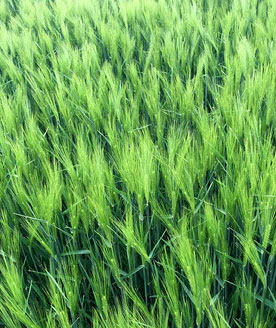
McDorman highlights einkorn wheat as a resilient, nutrient-rich grain that has remained genetically pure for thousands of years.
About Bill McDorman
Bill McDorman, a lifelong seed saver and passionate advocate for seed sovereignty is dedicated to empowering people to save and share their own seeds. He has worked to preserve heirloom and open-pollinated seeds through education, activism, and community organizing. more
More Information
Basic Seed Saving by Bill McDorman
Philip Howard, PhD, Michigan State University (seed industry centralization drawing)
Colin Khoury, PhD, Wageningen University & Research
What is Happening to Agrobiodiversity?
Gregor Mendel, “Father of Genetics”
Bill Tracy, PhD, University of Wisconsin-Madison
Plant Variety Protection Act of 1970
Ananda Chakrabarty, PhD, University of Calcutta
AIB: Anti-Infringement Bureau for Intellectual Property Rights on Plant Material
s03e04 – Jon Frank – Building Plants Cell by Cell
Building Plants Cell by Cell
Episode 4:
Jon Frank –
Soil Specialist
Balanced Nutrition, Thriving Crops
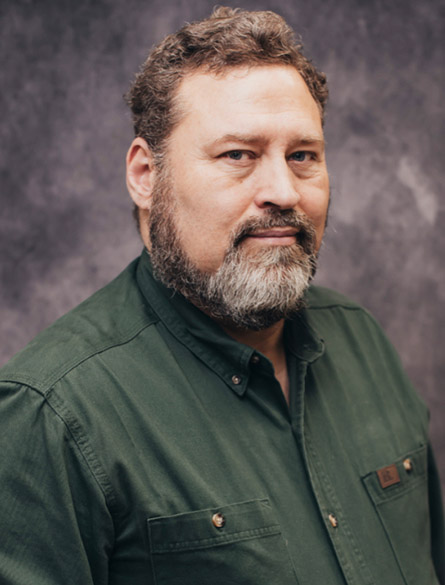
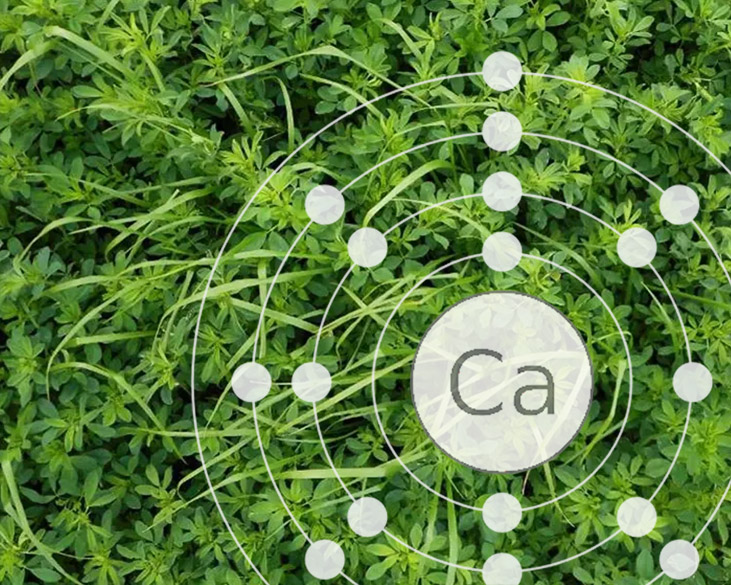
Calcium is a central and often overlooked crop nutrient. Using examples to illustrate how it works, soil consultant Jon Frank introduces Carey Reams’ Biological Theory of Ionization as a framework to provide full-spectrum plant and animal nutrition. These improvements have huge implications for food quality and farm profitability.
Part 1 Listen
High-Brix Forage for Quality Milk Production | Length: 8:25
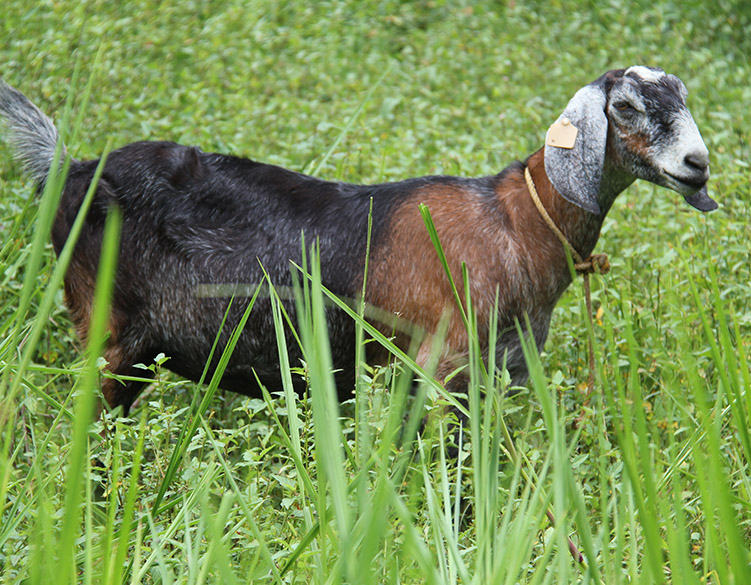
Switching to high-brix, high-quality hay improved the health, milk quality and yield of dairy goats, highlighting the importance of soil fertility in animal nutrition.
Part 2 Listen
Calcium as a Key Crop Nutrient | Length: 11:38
Yes, people will go out of their way for better food.
Part 3 Listen
Balancing Soil Nutrients – Reams’ Theory Simplified | Length: 9:32
Proper balance of soil nutrients, particularly calcium and potassium, is essential for optimal plant growth and reproduction.
Part 4 Listen
Optimizing Plant Performance Through Mineral Management | Length: 6:07
Your plant leaves feed the soil microbes that feed the crop. Optimizing leaf mineral content is necessary for efficient energy conversion and superior crops. It’s up to you.
About Jon Frank
Jon Frank currently serves as regional sales manager and soil specialist for Integrated Soil and Plant Technologies, working with growers across the Dakotas, Minnesota, Iowa and parts of Wisconsin. Over the course of his career as a soil consultant, Jon has focused on specialty crops, market gardens, home gardens, and greenhouses, and has worked with growers of broad-acre crops like hay, corn, and soybeans as well. Jon is a lifelong student of the soil and began his career in agricultural consulting in 2005.
s03e01b – Joe Scrimger – Nitrogen, Water, and the Farm
Restoring Soil Vitality
Episode 1: Day Two
Joe Scrimger:
Bio-Systems II
Restoring Soil Vitality | Length: 1:01:50
“Nitrogen’s not the issue. It’s putting on too much at one time… But even organically, we have to have nitrogen from someplace… What we try to do in the conventional world is get those farmers to use at least three different sources of nitrogen that release at three different times.” – Joe Scrimger
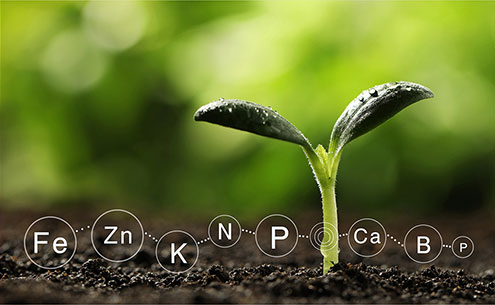
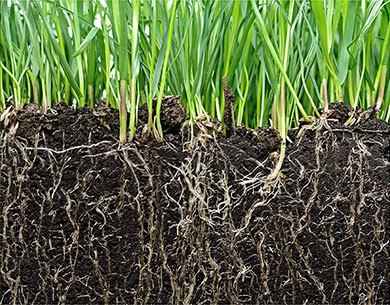
Joe Scrimger connects the dots between nitrogen use on the farm, soil health and water quality.
More Information
s03e03 – Sally Witkowski – Food as Medicine
Food as Medicine
Episode 3:
Sally Witkowski:
Cross W Ranch
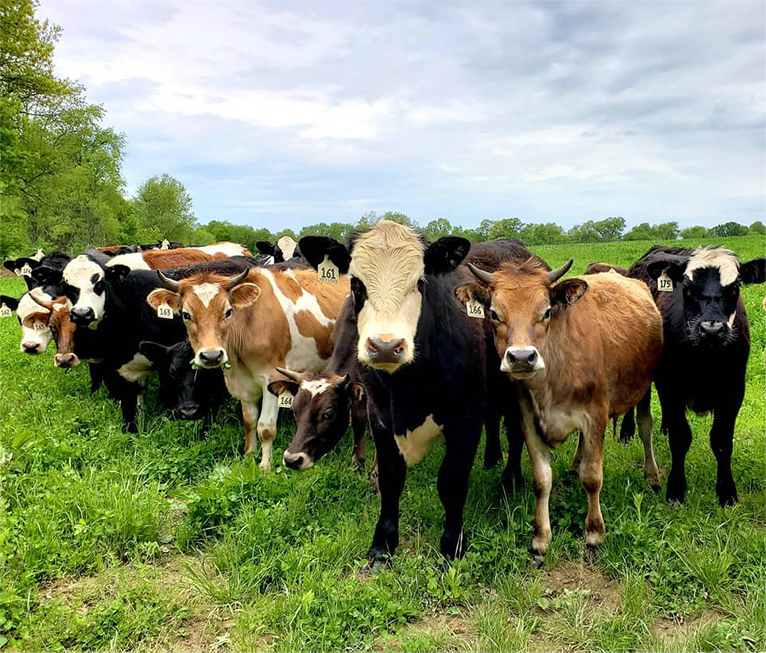
A Ranch on a Mission
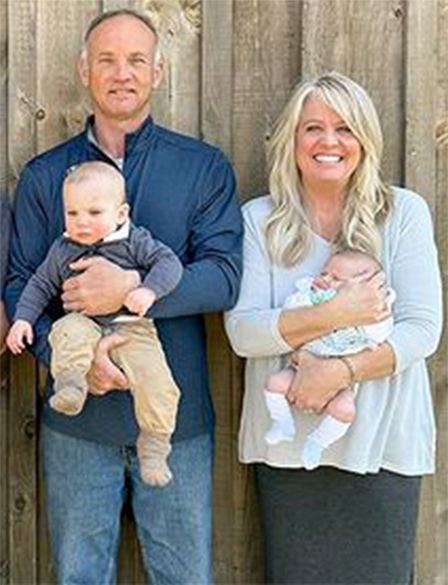
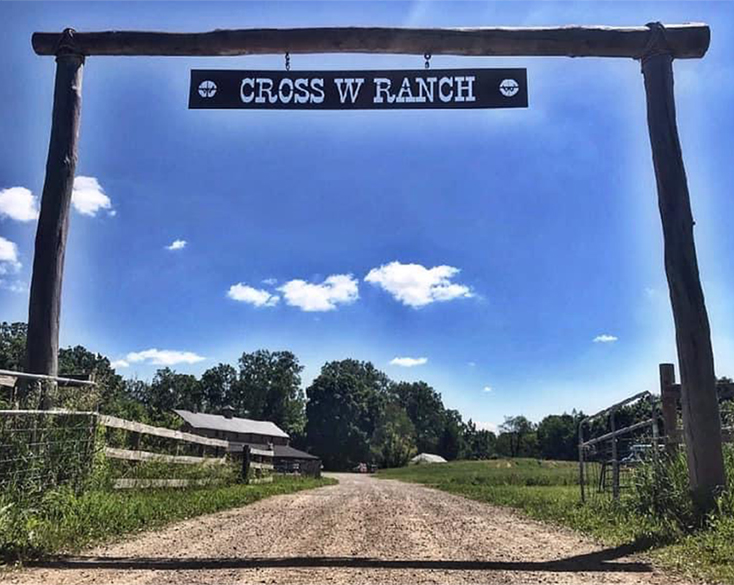
Rancher Sally Witkowski describes how she and her husband Jim Witkowski got their entire family into grass-fed, grass-finished organic cattle ranching. Includes a look at regenerative practices, humane animal care, revenue streams, market trends, and the importance of a mission-driven mindset.
Part 1 Listen
Powerful Motivations | Length: 7:42
What’s it take to go from 0-60 in cattle ranching, coming from a non-farming background?
Part 2 Listen
Clean Food: Meeting the Market | Length: 7:11
Yes, people will go out of their way for better food.
Part 3 Listen
Multiple Revenue Streams | Length: 7:16
With a main emphasis on cattle ranching, Cross W continues to build out other revenue streams to secure their operation and meet community needs.
Part 4 Listen
Ag Tourism as a Revenue Stream | Length: 4:00
How barn weddings became an important additional revenue stream for Cross W Ranch.
Part 5 Listen
A Regenerative Approach to Food Quality | Length: 6:29
Animal and human health start with soil and plant health. Two practices can help jumpstart this process: building diverse plant communities in the pasture, and using foliar feeding when needed to strengthen pasture and hay productivity.
Part 6 Listen
Animal Care and Management | Length: 2:13
How does nature do it? A quick snapshot of animal handling practice and philosophy at Cross W Ranch.
Part 7 Listen
Family, Succession, and Land Conservation | Length: 3:18
How the family component works in the management of Cross W Ranch, and how land preservation fits into the long-term picture.
Part 8 Listen
Ranch Evolution and Plans | Length: 10:29
Business growth at Cross W Ranch: a step-by-step process of getting the needed equipment, adapting farm practice, and planning with a long-term vision in mind.
About Sally Witkowski
Sally Witkowski is a rancher and co-founder, together with husband Jim Witkowski, of Cross W Ranch in Howell, Michigan. A Michigan native, Sally completed a dual degree program in Fine Arts / Industrial Design from The University of Michigan before meeting Jim and starting a family together.